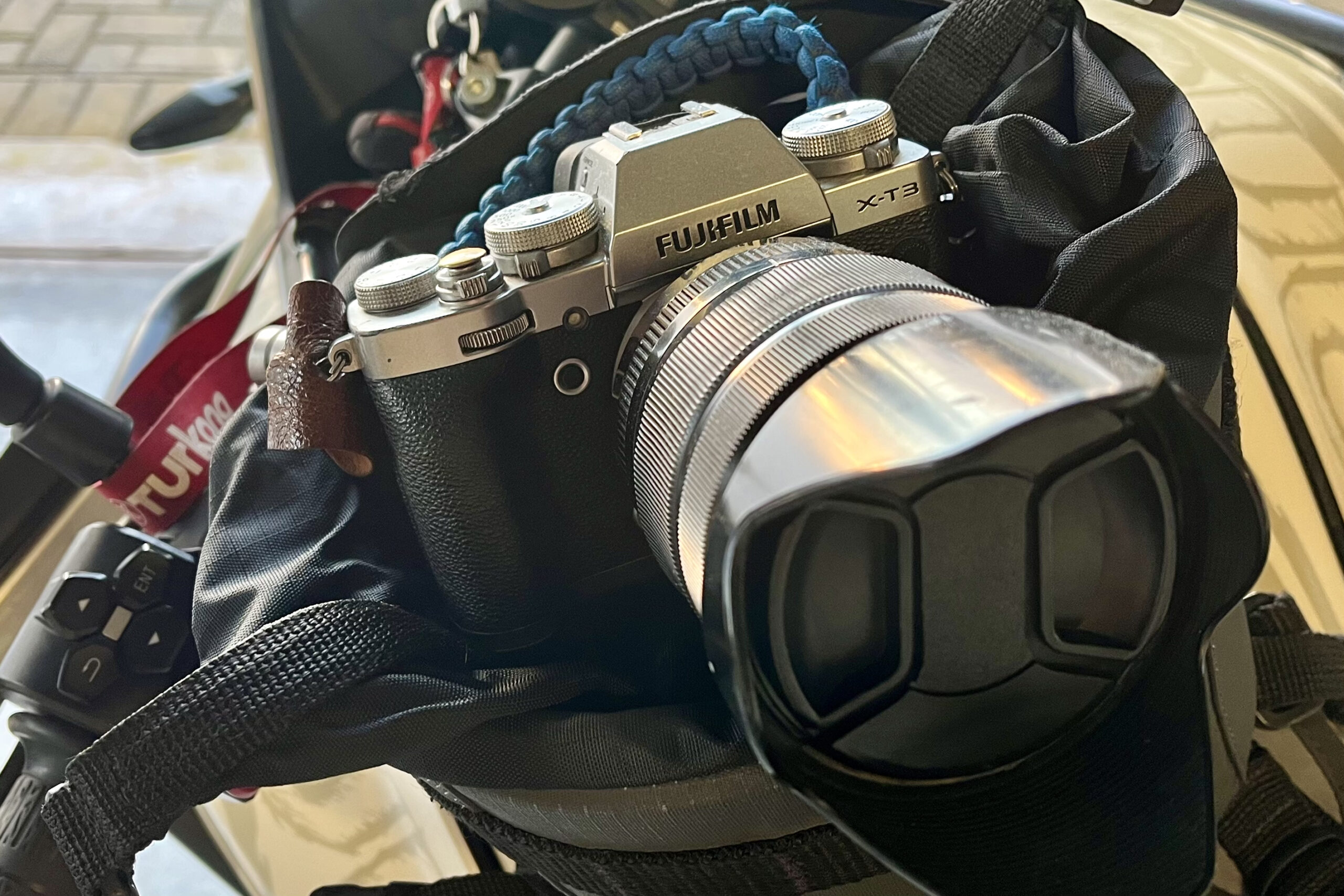
If there’s one question I’ve probably answered as much as any other over the past fifteen years, it isn’t which country was our favourite or what motorcycle I’d recommend. It’s almost always, “What camera do you use?”
I wish I could say some mega-money Hasselblad or something equally exotic. Instead, I rock what looks suspiciously like something a bearded hipster would use to photograph artisanal coffee. My Fuji X-T3 has that classic silver-and-black 35mm film-camera look that has become the quintessential accessory of the hipster crowd. That’s all fine by me. I don’t care much about that nonsense. The important bit is that it happens to be an outstanding and seriously capable all-rounder.
After fifteen years and thousands of overlanding kilometres on gravel roads, living off motorcycles, I’ve learnt that carrying less, lighter and more compact gear generally means a truckload more enjoyment.
From point-and-shoot to something more
When Elsebie and I started travelling seriously through Africa in 2009, I turned to a point-and-shoot Nikon P7700. Looking back, I have nothing but good things to say about that little camera. It taught me the fundamentals of photography and produced photographs that were a world apart from anything I’d managed before, especially compared with my rather embarrassing efforts during my first overlanding Namibian trip in 1994.
It got me to genuinely enjoy photography. I started experimenting with aperture, watching how light changed throughout the day and slowly understanding how a camera could tell a story instead of simply recording what was in front of it. For somebody starting out, it was a brilliant companion. The rock star still works to this day, and it shoots RAW.
Eventually I wanted more creative control, better performance in difficult light and the option of changing lenses. By then my interests had also moved beyond landscapes into portraits, documentary-style photography and travel journalism. Travelling has a habit of throwing all sorts of interesting things in front of your lens, and I wanted a camera that could deal with that.

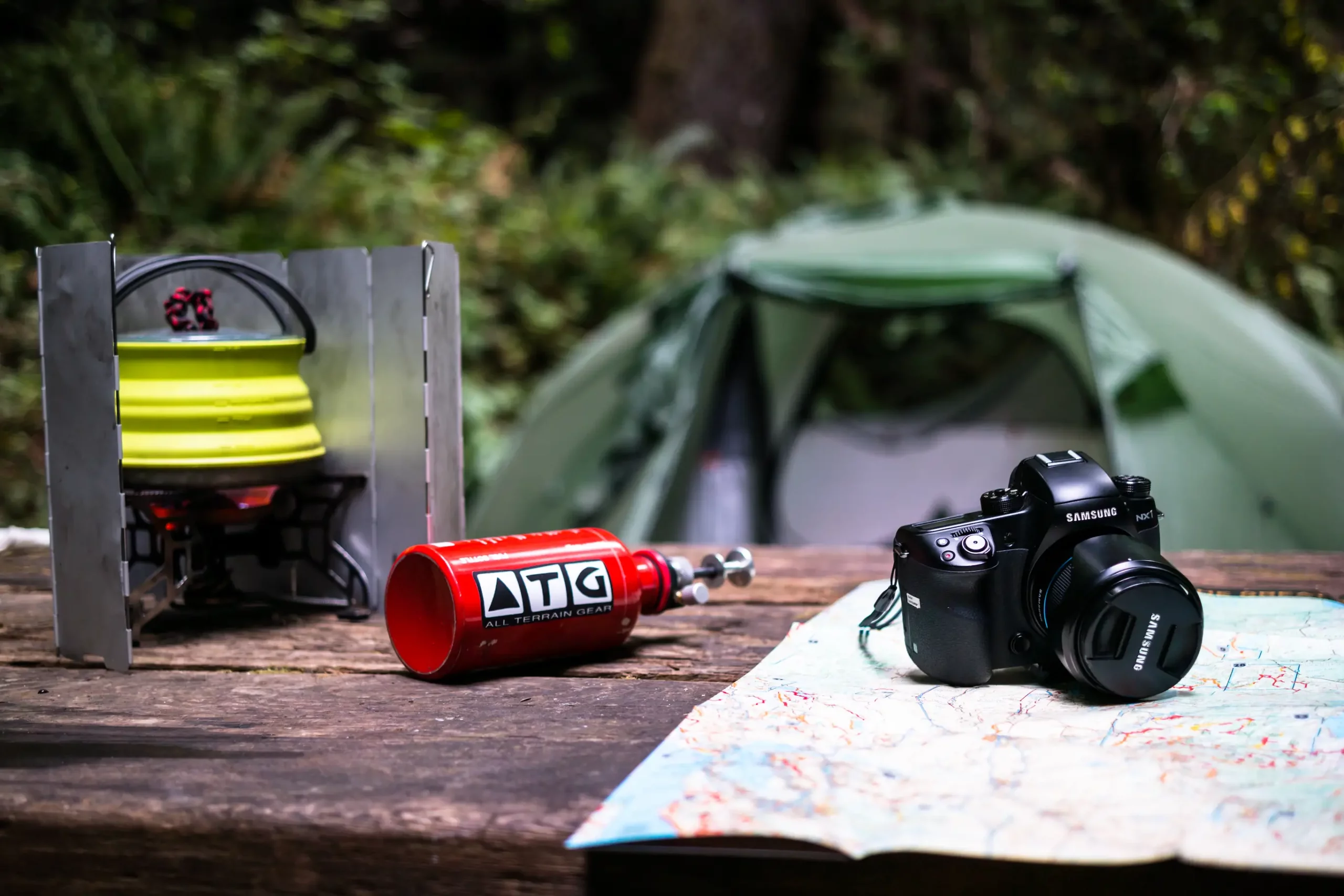
I am generally an early adopter of some tech, which got me into Samsung mirrorless cameras long before mirrorless became the obvious choice it is today. They were smaller than traditional DSLRs without giving away much in image quality. Okay, not the same sensor size, but for motorcycle travel the size advantage was exactly what the doctor ordered.
Every kilogram matters when you’re living off a motorcycle, and every bit of space inside a pannier has to justify itself. A compact mirrorless camera with interchangeable lenses simply made more sense to me than hauling a big DSLR and dedicated camera bag around Africa and the Americas. Samsung then vanished from the camera market almost as quickly as it had arrived; that is corporate insanity for you. Which was sad as their cameras were genuinely innovative and ahead of their time.
By the time Samsung pulled the plug, I knew what I needed: small, tough and simple enough that I wouldn’t swear at it when something happened or the need to buy into a brand-new system. It also had to live on a motorcycle without needing to be treated like a Fabergé egg or an influencer’s ego.
A motorcycle friend of mine, Hank, already used Fujifilm, and he persuaded me to join the coolness of the hipster crowd. Just to clarify, I am neither a hipster nor cool… But I aspire to one day be cool, not a hipster.
The warranty was numero uno of the entire decision.
One of my frustrations and experience with Canon and Nikon at the time was international warranty support. Buy a camera in one country and then try getting a warranty issue sorted in another. Good luck with that.
I bought my first Fuji X-T3 in Colombia, and it later developed a fault. About a year later I was back in South Africa, and Fujifilm South Africa sorted it out without drama and without costing me anything. The same could not be said for my experiences with Canon and Nikon when their cameras gave me shit in different countries. It was such a disappointment and cost to me that I will probably never own their cameras again.
Working with Fuji’s repair shops and distributors in the countries we travelled through was also a lot more pleasant than my experiences with the others.
My gear has been cut down to the bare necessities over the years.
I hate dragging stuff around; minimalism is how I roll. That also meant not having a bag full of lenses. My go-to lens that spends almost all its time on my camera is the Fujifilm 18-135mm.
It’s not the fastest lens Fuji makes and isn’t the sharpest. Prime lovers will undoubtedly sneer and pull their noses into the air. I don’t bloody care. It’s sharp enough, fast enough and incredibly good at doing a lot of things pretty damn well.
Over the years that lens has photographed everything from nude sun-lovers on remote beaches to mountain passes, tiny villages, colourful drunken festivals, Peruvian rodeos, complete strangers, camp life, motorcycles and those random moments that exist for a few seconds and are gone.
No doubt, yeah, sure I can probably produce a technically better image with another lens in some of those situations. But there’s a fair chance that while I’m digging around for it and changing lenses, the photograph has disappeared. And there’s something to be said for not dragging a cadaver bag full of lenses to a rodeo, a festival or a game drive.

I do, however, carry a few others. There’s a 10-20mm wide-angle lens for those occasions when the landscape really needs it; a 70-300mm for wildlife and compressing distant scenery, and a compact 35mm that I particularly enjoy when wandering around towns and cities at night. Add three batteries and a few large-capacity SD cards, and that’s essentially my entire travel photography kit.
The X-T3 18-135mm combination lives in my motorcycle’s tank bag. The camera has spent most of its life in that bag being hammered over corrugated gravel roads, covered in dust, rained on and occasionally subjected to the inevitable tumble. I do care and look after my equipment, but I don’t pamper it. Cameras are tools, not ornaments, and the Fuji has proven itself to be one freaking tough little cookie.
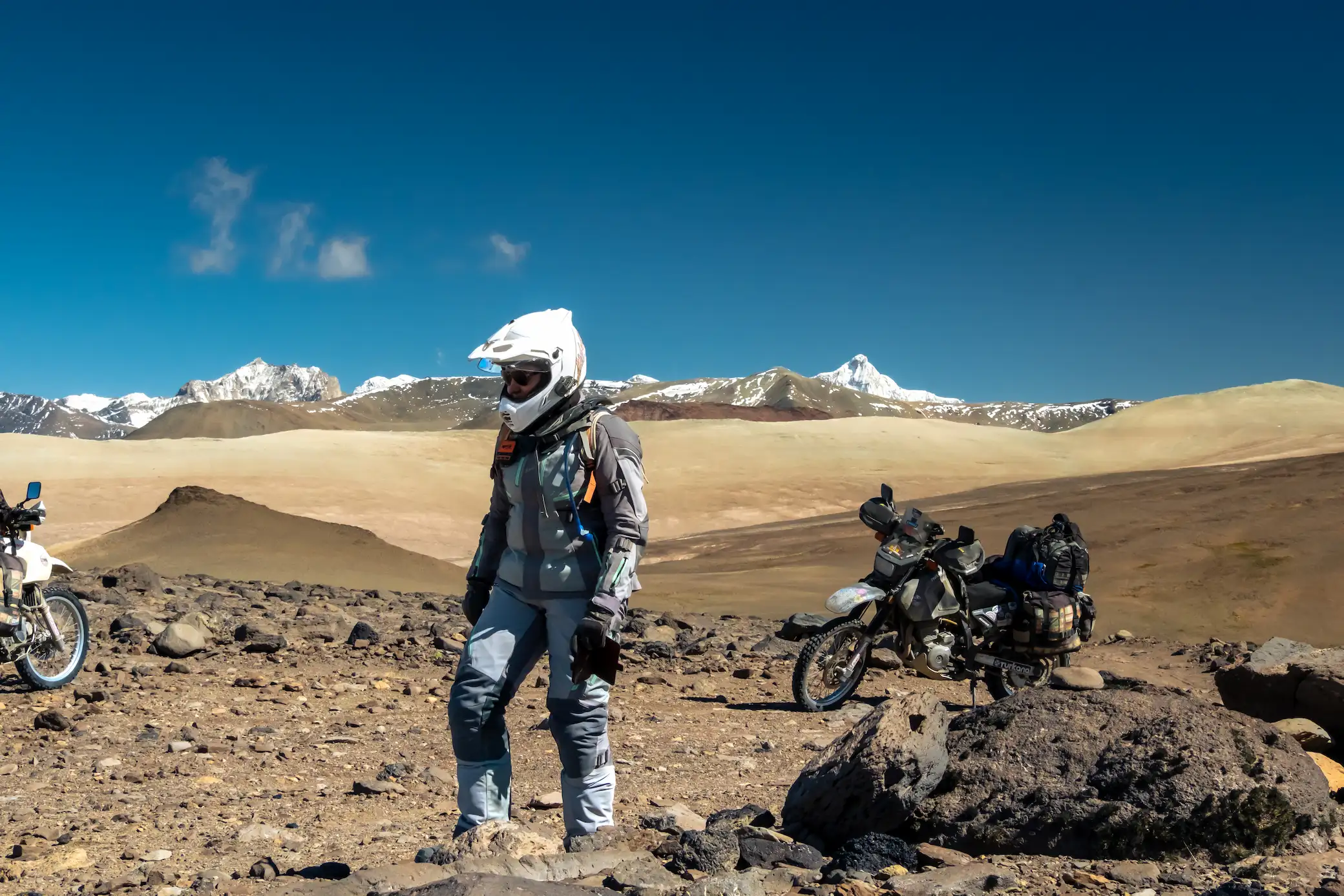
The camera stays where I can reach it
I’ve never travelled with a dedicated camera backpack. Even when we’re walking around towns and cities, I don’t want a bag on my back advertising several thousand rand’s worth of camera equipment to everyone around me. Besides, they are generally bulky and invite you to pack way more than what is necessary.
Most of the time the camera is simply in my hand. If I want to make it less obvious, I slip a small black cover or pouch over it. Nothing fancy and nothing that screams photographer.
If something interesting happens, I don’t have to take off a backpack, open compartments and start digging for a camera while whatever caught my attention disappears down the street. Pull off the cover, flick a setting and shoot.
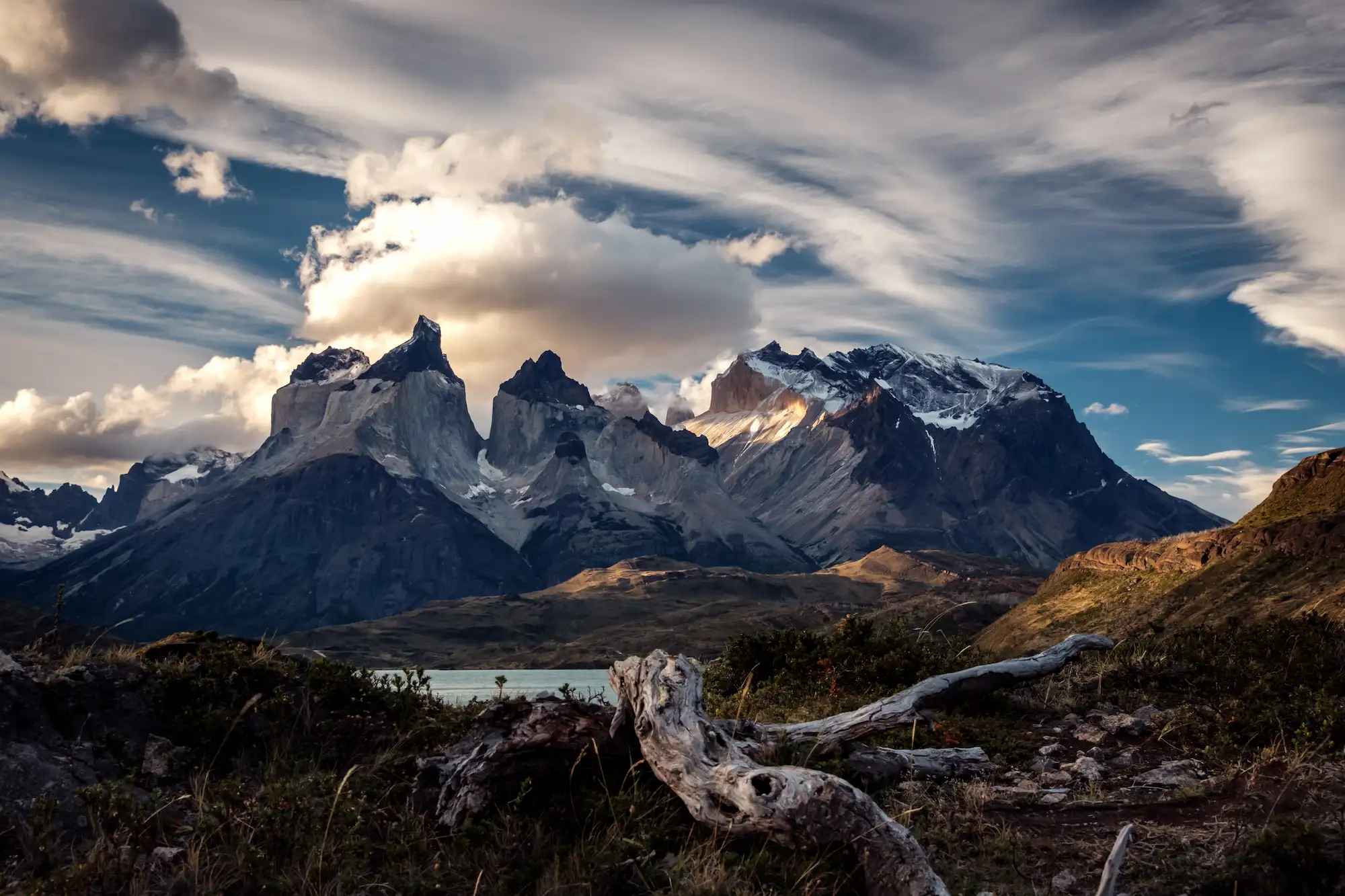
The X-T3 can do considerably more than I’ll ever ask of it, and I probably don’t use a third of its features. Aperture, shutter speed, ISO and sometimes white balance are the controls I adjust manually all the time. Fuji makes them quick and intuitive. The rest of the menu can stay where it is until the day I actually need it.
Standing beside a muddy road in the Amazon isn’t the place to scroll through seventeen menu options. Sometimes something interesting happens, or the light breaks through the clouds for thirty seconds, and then it’s gone. I want to lift the camera, flick the adjustments and press the shutter, and the bloody thing needs to work.
The, I use my phone, crowd.
There’s always the “mobile phones are so good I don’t need anything else” argument. Phones are seriously competent nowadays. For plenty of travellers there’s no reason to carry anything else, and I get that. If you’re happy with the photographs coming out of your phone, brilliant. That’s one less thing to carry.
Elsebie does it differently. She normally carries a small waterproof compact camera in her pocket. It’s quick and practical, and she doesn’t have to pull out an expensive smartphone while standing in the rain, crossing a river or wandering through a busy market.
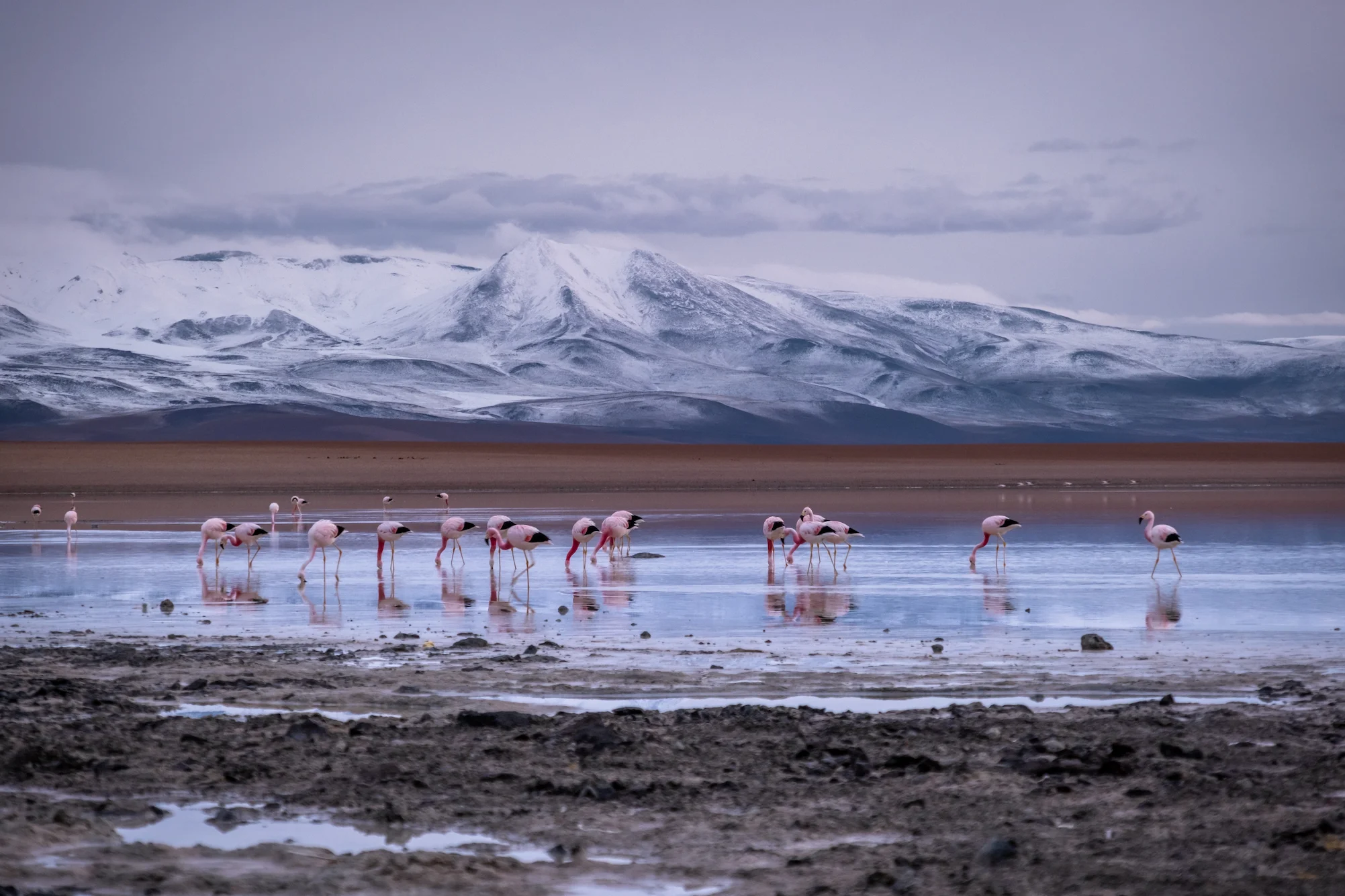
The thing is this, I carry a camera because I enjoy photography as much as I enjoy travelling.
I still carry a camera because I enjoy the actual process of photography as much as I enjoy travelling. Choosing the manual settings I want and working with proper lenses rather than having software imitate the effect is part of the enjoyment for me. There’s an artistic side to it that I don’t get from a phone. You just can’t get away from good glass. It’s still at the heart of photography.
Shooting in RAW is an absolute must. Ten or twenty years from now I can go back to those files, crop them differently, print them large or re-edit them using software that hasn’t even been invented yet. For me, that’s important because these photographs aren’t just social-media posts with a lifespan of three days. They’re our memories. They are our old-age pension when the memory fades.
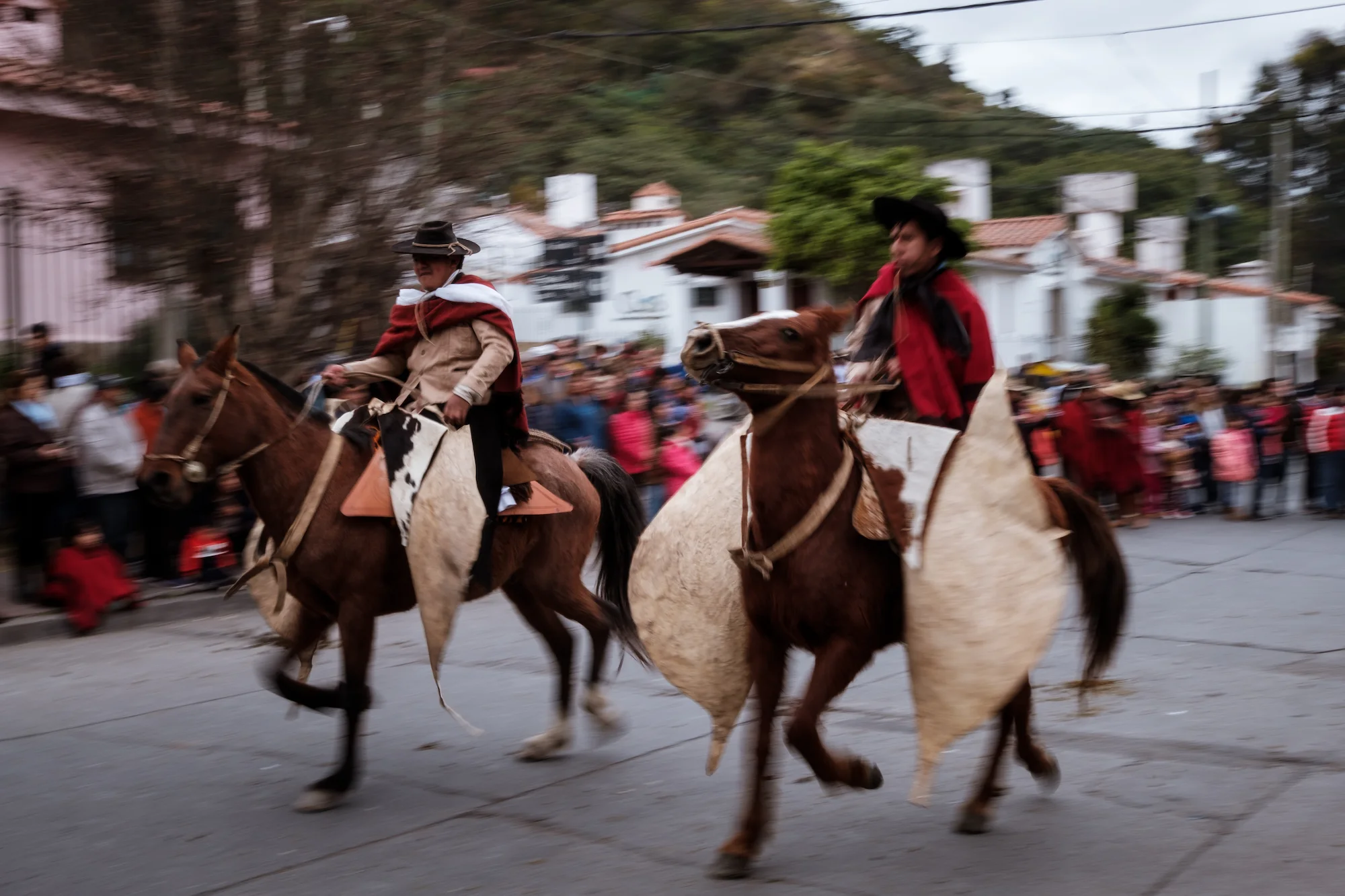
So, is the X-T3, or even the newer X-T5, the perfect travel camera?
I don’t know what the perfect travel camera is supposed to be. This one works for me, and after all these years that’s close to ‘dammit’ for me.
Would I like a new X-T5? Oh, for sure, it’s mouth-wateringly tempting, and I will have to retire the X-T3 at some stage. But this camera just keeps chugging along. My X-T3 fits comfortably in my hand, doesn’t take over my luggage and has survived years of being bounced around on motorcycles. I know the controls without having to think about them; the 18-135mm covers most of what I photograph, and when something happens in front of me, I can get the shot without buggering around.
After fifteen years, that’s pretty much my definition of a good motorcycle travel camera.